All Episodes
Displaying 121–140 of 157 in total
Incident Investigation Methodologies
Incident investigation seeks a defensible understanding of what happened, what is affected, how the event occurred, and what action is justified. This episode explains...
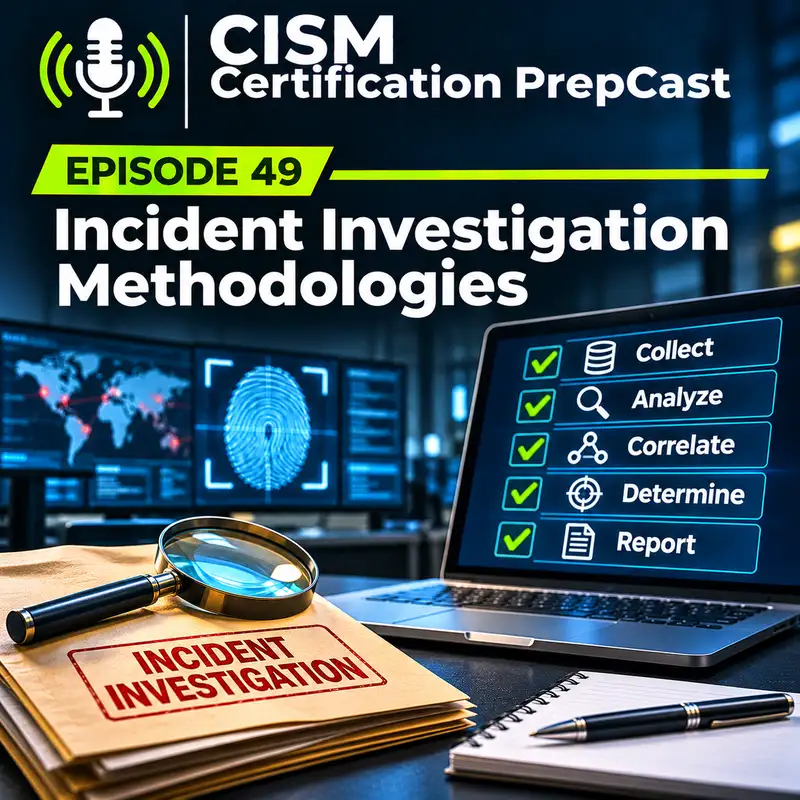
Digital Forensics and Evidence Collection Basics
Digital forensics and evidence collection support incident decisions, legal defensibility, and later review when information must be preserved and analyzed carefully. ...
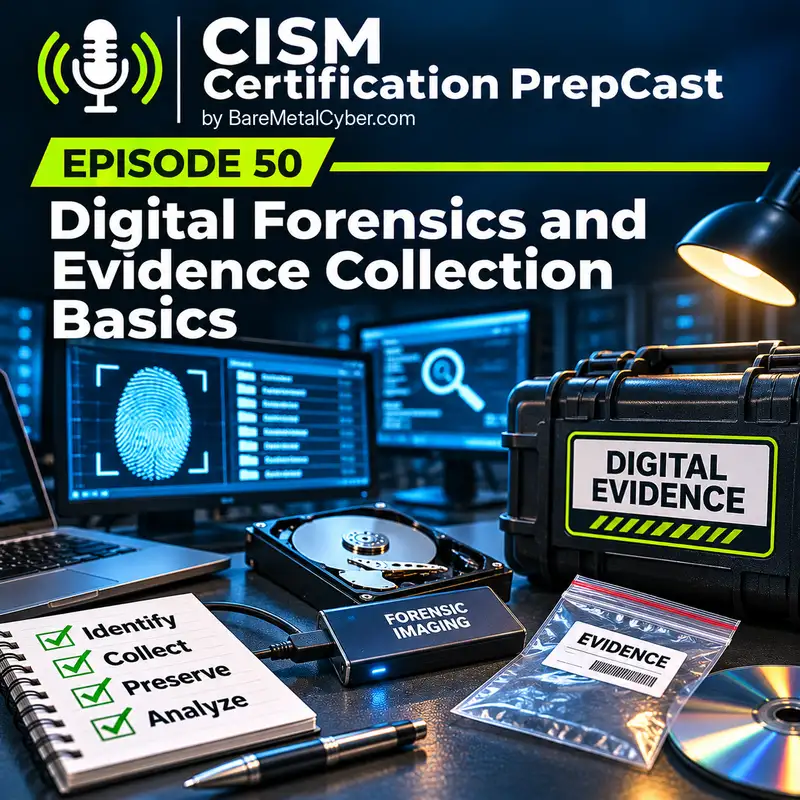
Effective Incident Containment Methods
Containment limits continuing harm while preserving options for investigation, eradication, recovery, and business operation. This episode compares actions such as dis...
Incident Response Communications: Reporting, Notification, and Escalation
Incident communication must deliver confirmed facts, meaningful uncertainty, and the right decision to the right audience at the right time. This episode explains inte...
Techniques for Incident Eradication
Eradication removes the identified cause, persistence mechanism, unauthorized access, malicious artifacts, or control weakness that allowed an incident to continue. Th...
Techniques for Secure Recovery and Restoration
Secure recovery restores business services and technical capabilities while maintaining confidence that the environment is trustworthy enough to operate. This episode ...
Conducting Meaningful Post-Incident Reviews
A meaningful post-incident review turns experience into verified improvement rather than a blame-focused meeting or a list of observations. This episode explains how t...
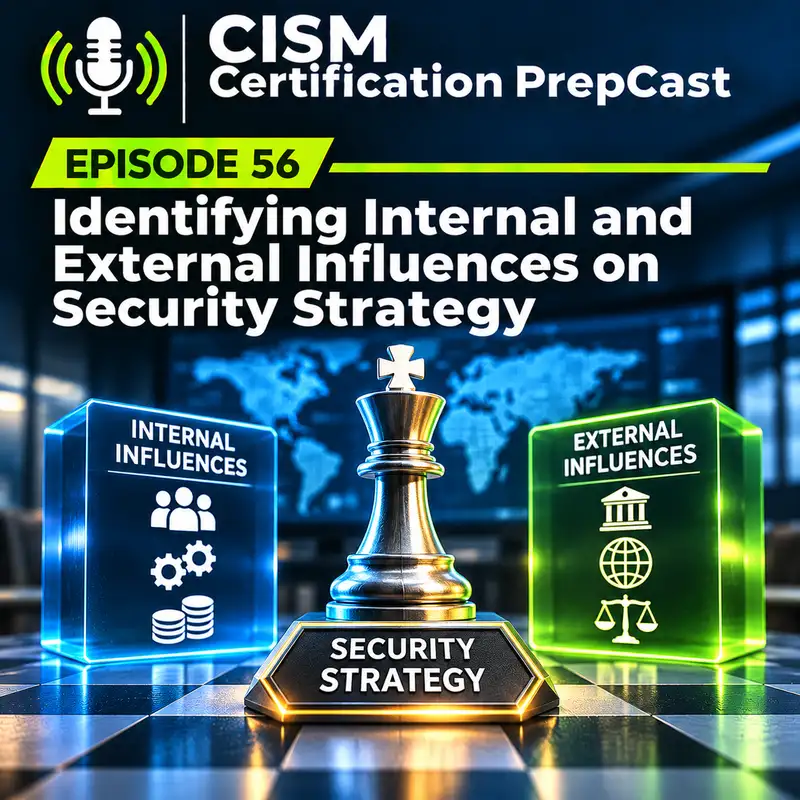
Identifying Internal and External Influences on Security Strategy
Security strategy is shaped by internal business change and external conditions that alter objectives, dependencies, obligations, and exposure. This episode examines g...
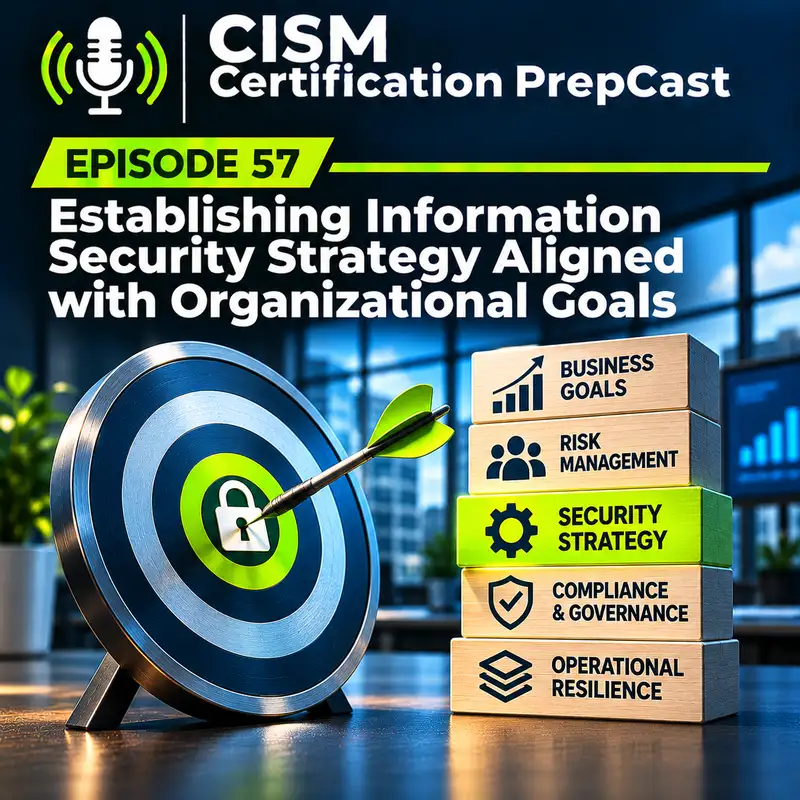
Establishing Information Security Strategy Aligned with Organizational Goals
A security strategy aligns with organizational goals when each initiative can be traced to business capabilities, risk decisions, architecture, resources, and measurab...
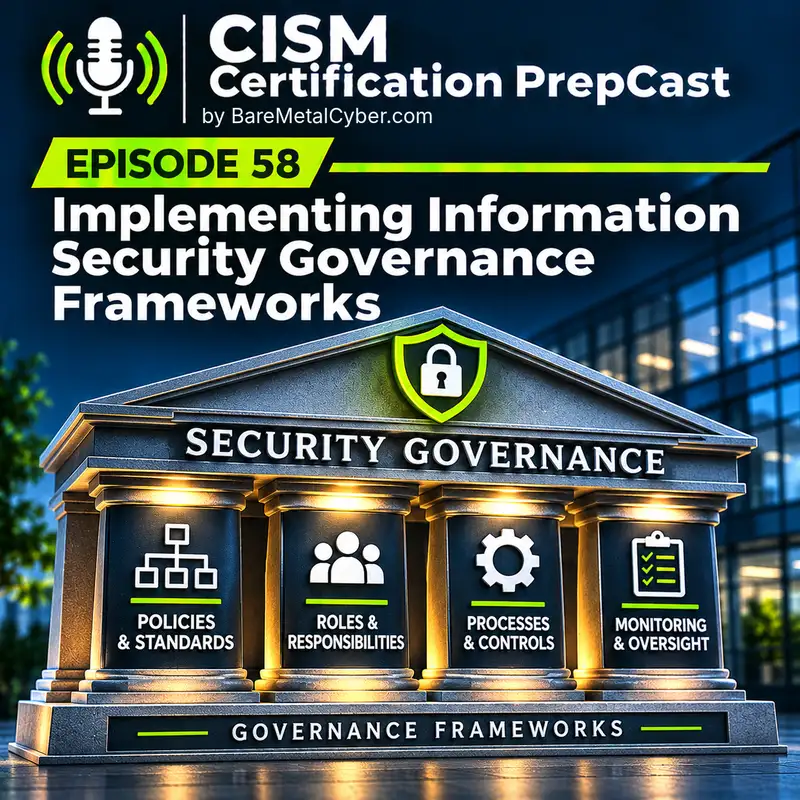
Implementing Information Security Governance Frameworks
Implementing an information security governance framework means turning authority, oversight, policy, accountability, and evidence into routine organizational practice...
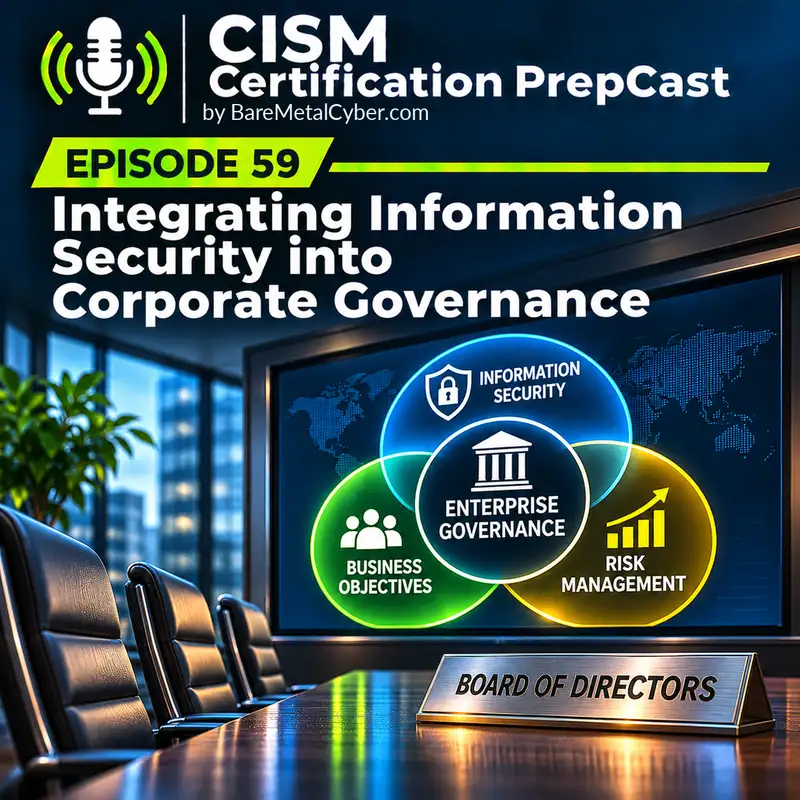
Integrating Information Security into Corporate Governance
Information security governance must operate within corporate governance rather than as an isolated technical system. This episode examines how boards, executives, ent...
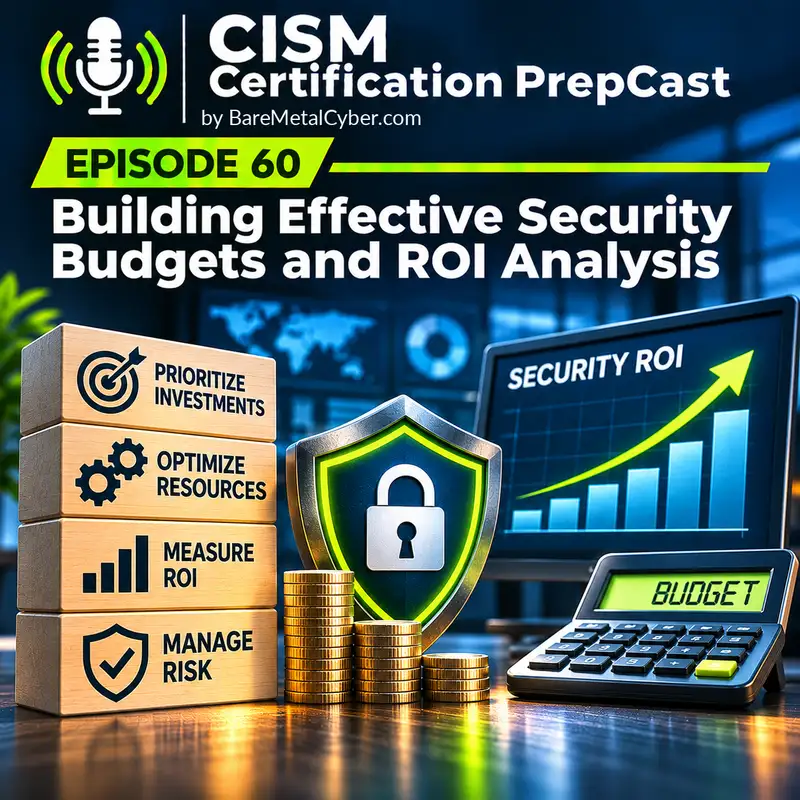
Building Effective Security Budgets and ROI Analysis
An effective security budget funds capabilities over their full lifecycle and makes the assumptions behind investment choices visible. This episode explains how to ide...
Communicating the Business Case and Gaining Stakeholder Buy-In
A strong security business case gives decision-makers enough information to compare alternatives, understand tradeoffs, and authorize a course of action. This episode ...

Gaining Senior Leadership Commitment and Stakeholder Support
Senior leadership commitment is demonstrated through decisions, resources, responsibilities, and behavior rather than supportive statements alone. This episode examine...

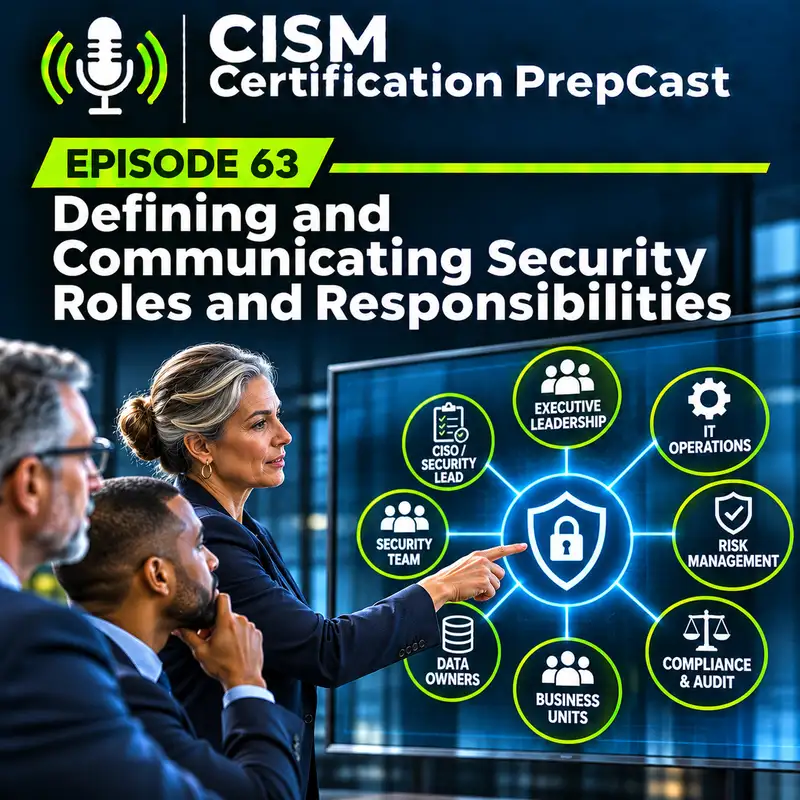
Defining and Communicating Security Roles and Responsibilities
Security roles are effective when people understand not only their tasks but also their decision rights, accountability, escalation paths, and communication obligation...
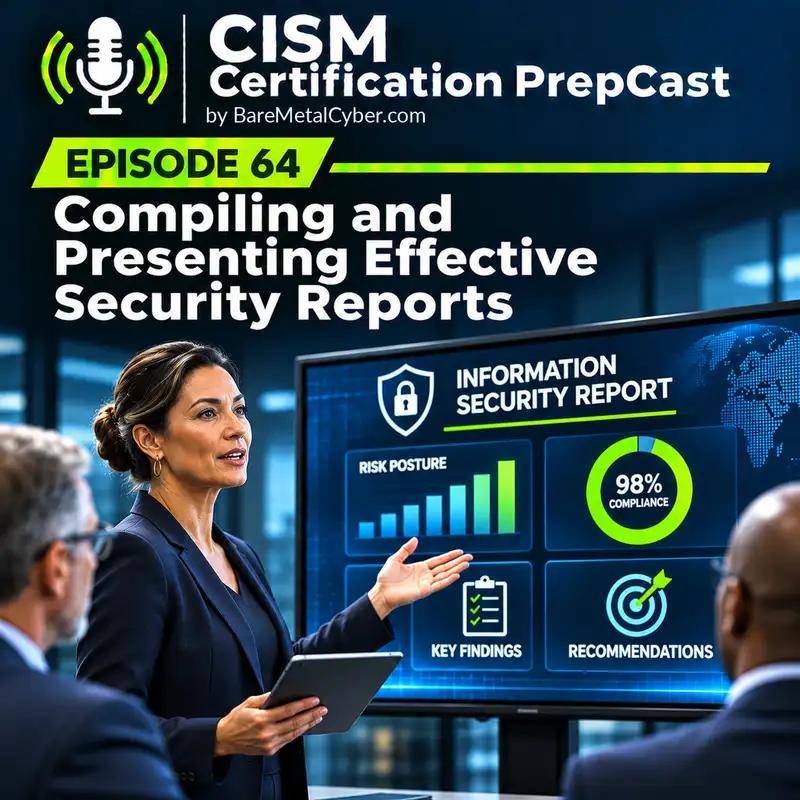
Compiling and Presenting Effective Security Reports
Effective security reports present accurate evidence, material uncertainty, business significance, and the decision required from the recipient. This episode explains ...
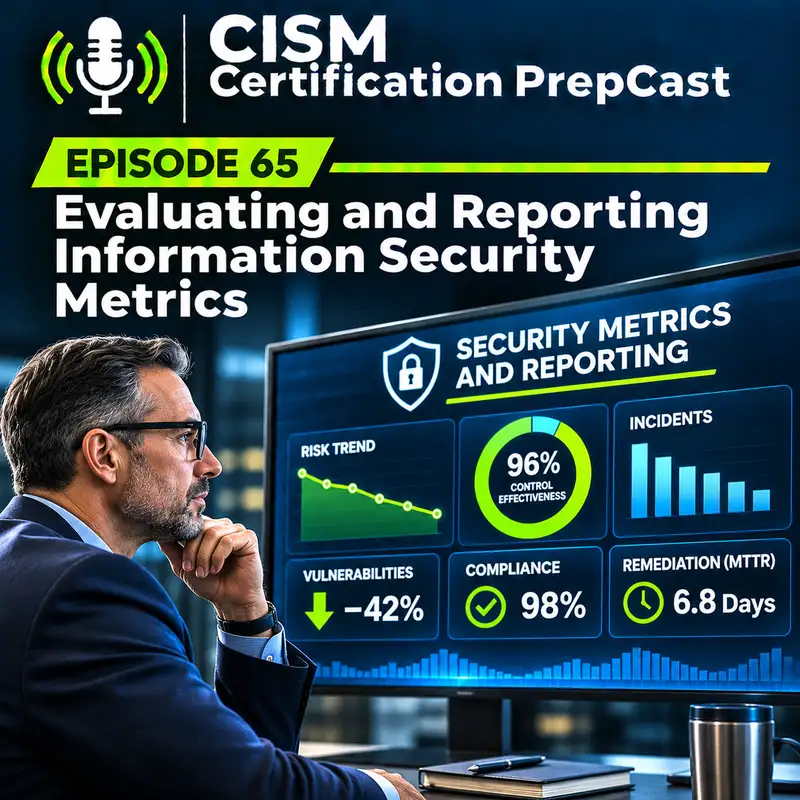
Evaluating and Reporting Information Security Metrics
Security metrics must be interpreted before they can support executive claims about effectiveness or risk. This episode distinguishes activity measures, performance me...
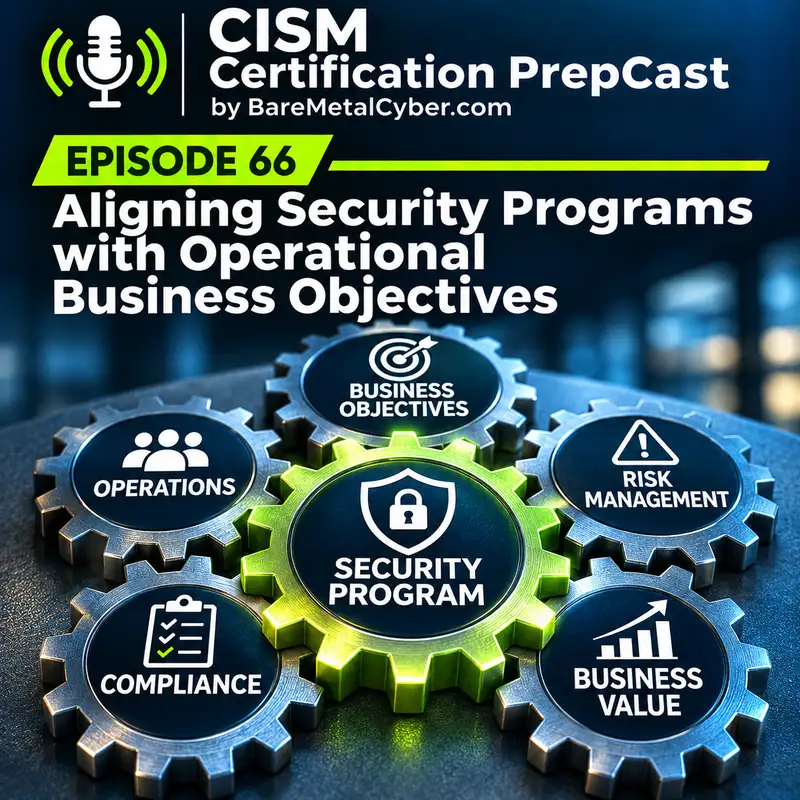
Aligning Security Programs with Operational Business Objectives
Security programs support operational business objectives by protecting the services, information, processes, and dependencies the organization relies upon. This episo...
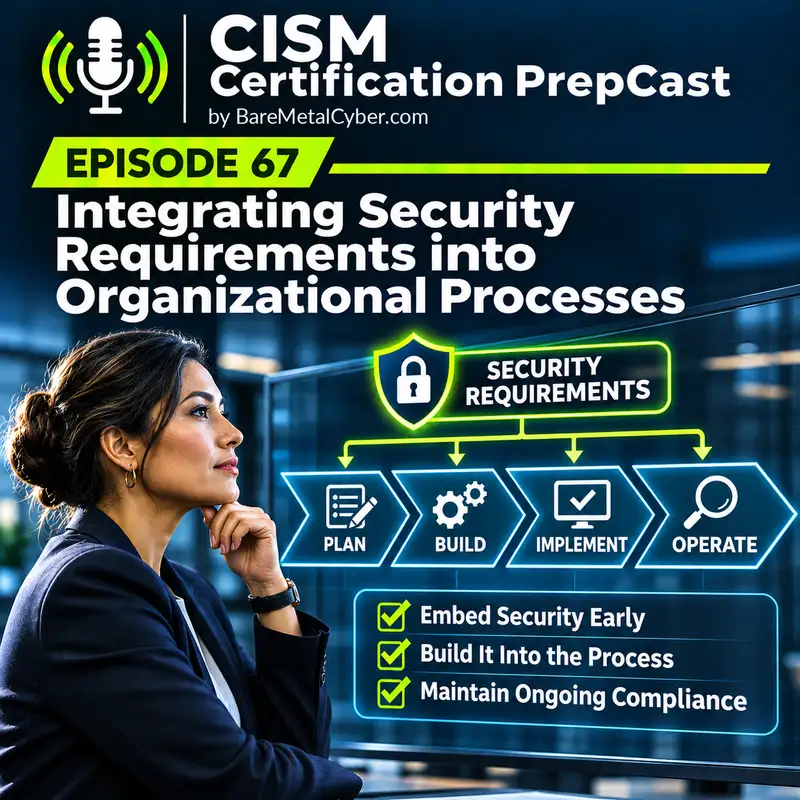
Integrating Security Requirements into Organizational Processes
Security requirements become reliable when they are built into organizational processes at the points where decisions and changes occur. This episode examines architec...
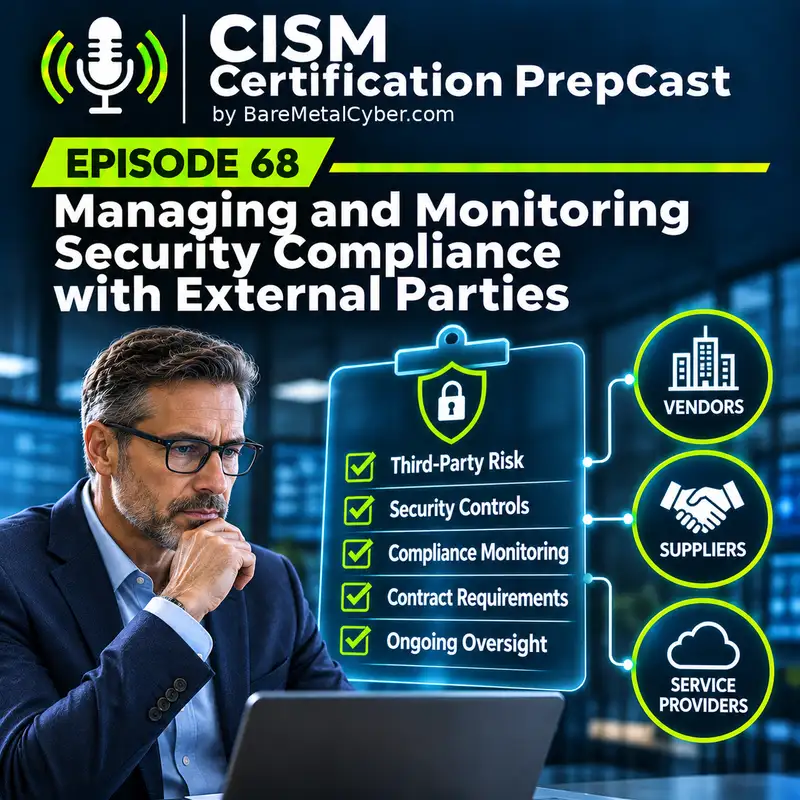
Managing and Monitoring Security Compliance with External Parties
External-party compliance requires visibility into obligations, responsibilities, evidence, service changes, subcontractors, incidents, and exit conditions. This episo...