All Episodes
Displaying 81–100 of 157 in total
Contractual Requirements and Security Agreements
Contracts extend the security program beyond the organization by defining enforceable expectations between customers, suppliers, partners, and service providers. This ...
Organizational Structures, Roles, and Responsibilities in Security Governance
Security governance depends on organizational structures that place authority, responsibility, and escalation where they can support effective decisions. This episode ...
Developing an Effective Information Security Strategy
An information security strategy should connect long-term protection goals to business capabilities, enterprise architecture, investment, and measurable execution. Thi...
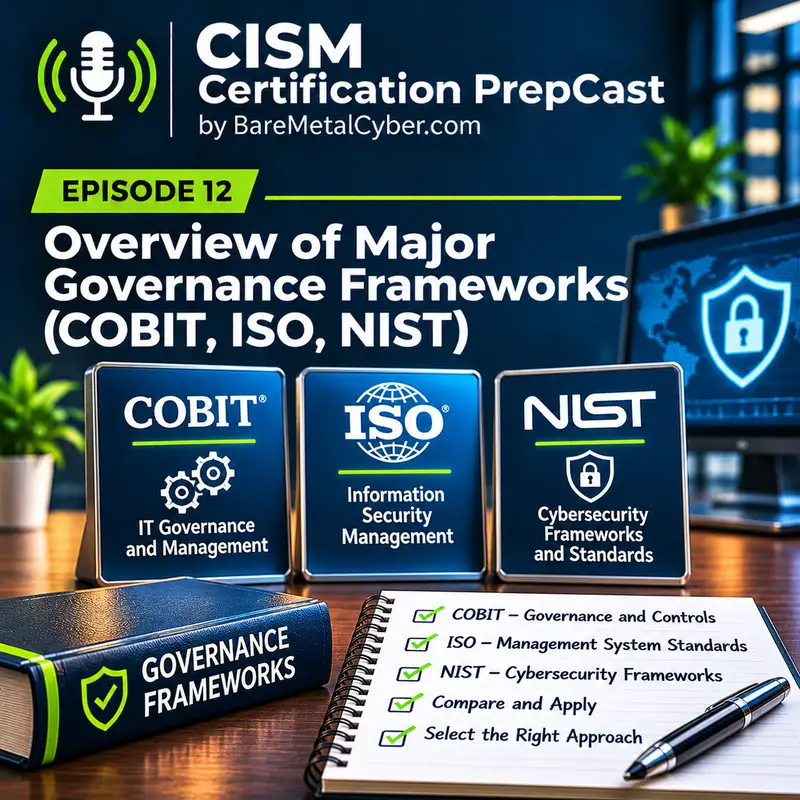
Overview of Major Governance Frameworks (COBIT, ISO, NIST)
Governance frameworks and security standards provide different kinds of structure, and CISM candidates must understand what each one is designed to do. This episode in...
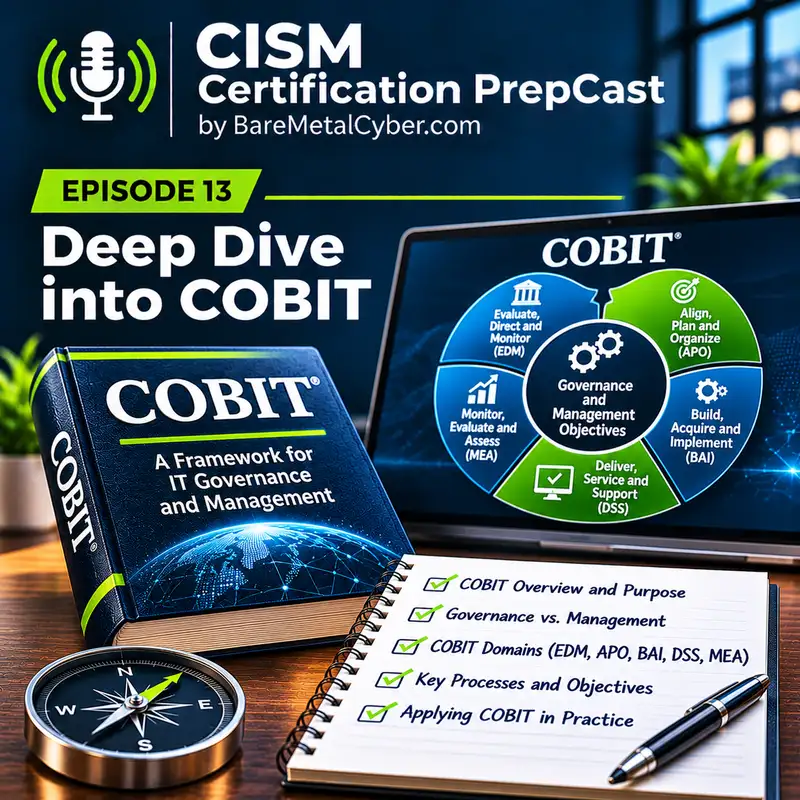
Deep Dive into COBIT
COBIT provides a structured approach to governing and managing enterprise information and technology in support of stakeholder needs. This episode examines the separat...
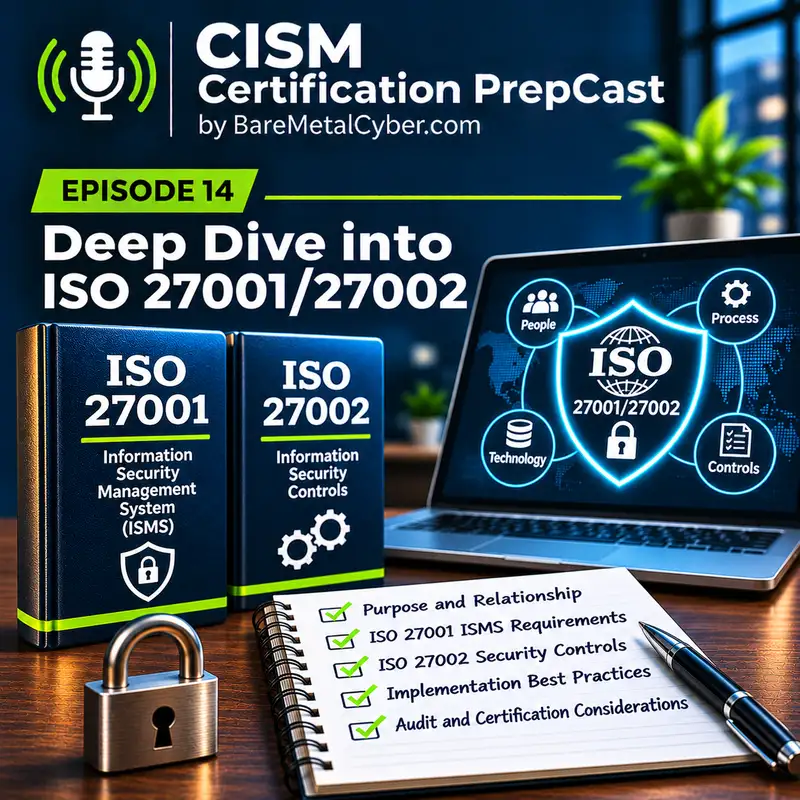
Deep Dive into ISO 27001/27002
ISO/IEC 27001 and ISO/IEC 27002 are closely related, but they serve different purposes in an information security program. This episode explains ISO/IEC 27001 as the r...
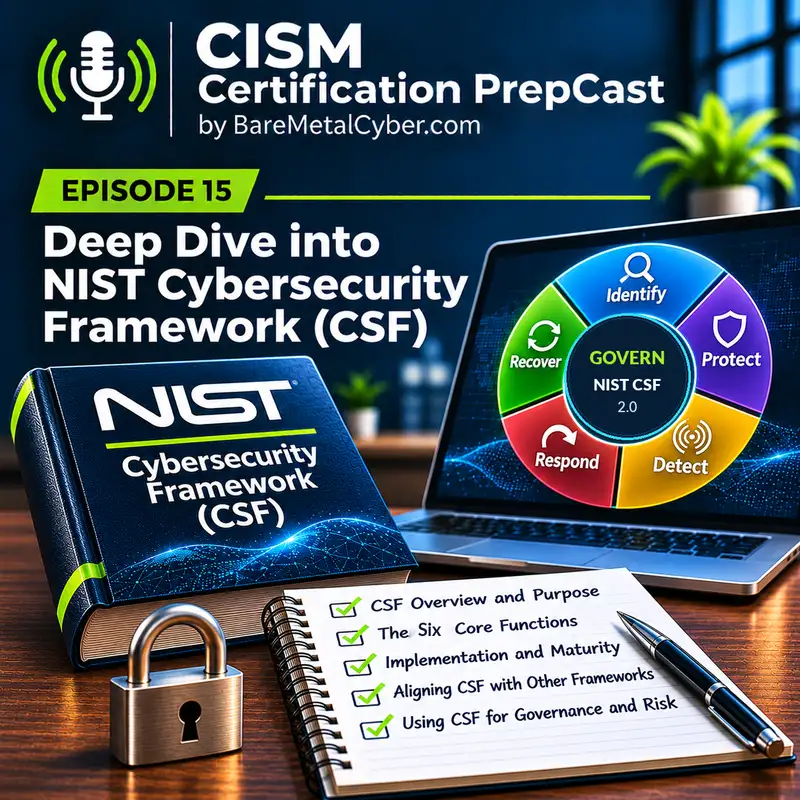
Deep Dive into NIST Cybersecurity Framework (CSF)
The NIST Cybersecurity Framework provides a flexible way to describe and improve cybersecurity outcomes across an organization. This episode presents NIST CSF 2.0 thro...
Strategic Planning Essentials: Budgets, Resources, and the Business Case
Strategic planning converts security priorities into funded, staffed, and measurable action. This episode explains how leaders identify capability requirements, estima...
Current Cyber Threat Landscape
Understanding the threat landscape is valuable only when external information is connected to the organization’s actual exposure and decisions. This episode examines t...
Identifying and Managing Emerging Risks (AI, Quantum, IoT)
Artificial intelligence, quantum computing, and the Internet of Things illustrate how emerging technologies can create risk faster than established controls and histor...
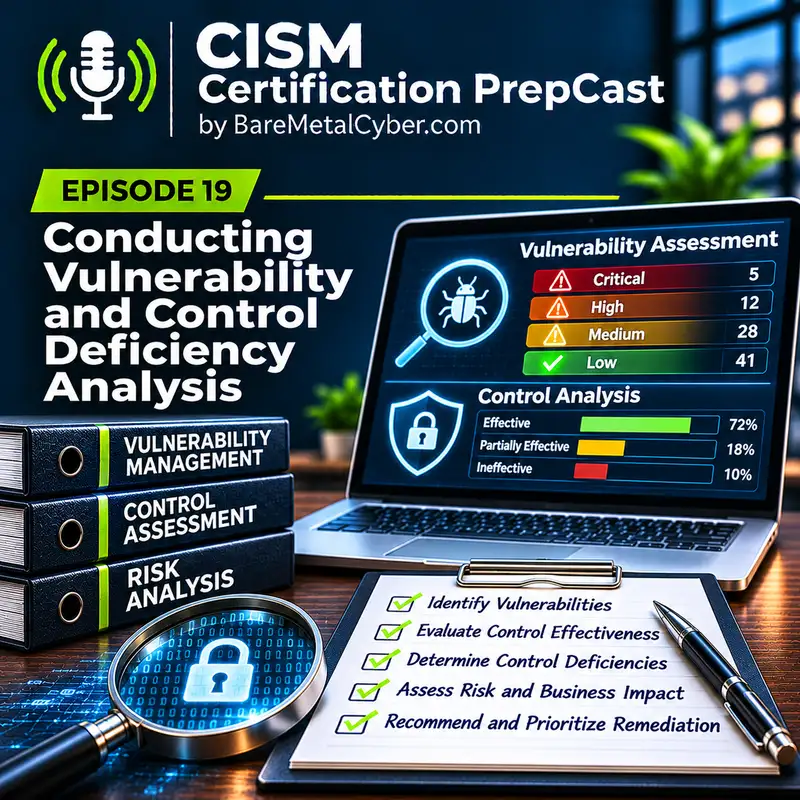
Conducting Vulnerability and Control Deficiency Analysis
Vulnerabilities and control deficiencies both contribute to risk, but they are not the same problem. This episode distinguishes technical or process weaknesses from fa...
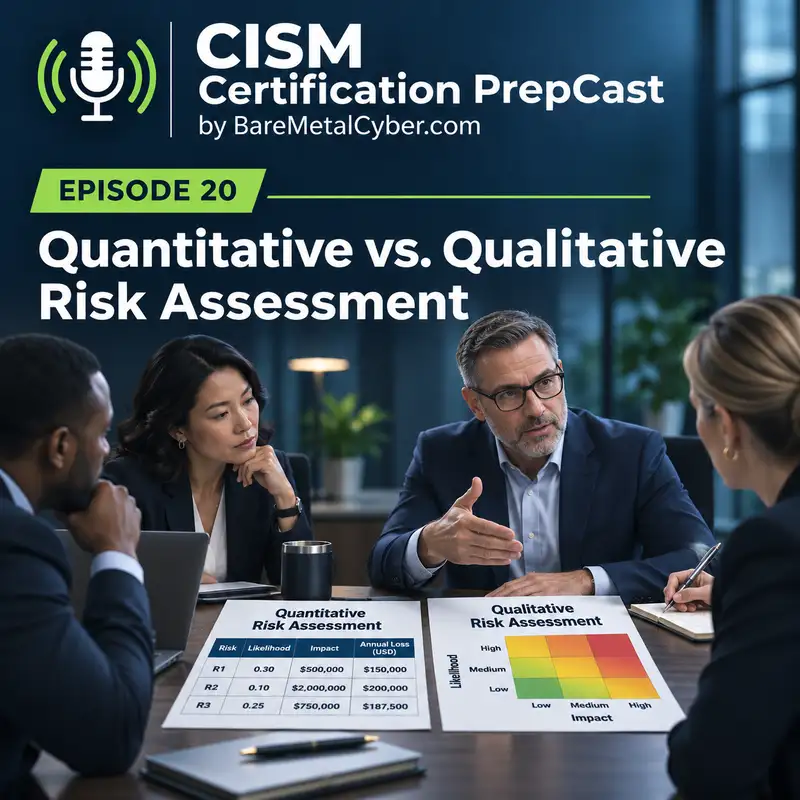
Quantitative vs. Qualitative Risk Assessment
Qualitative and quantitative risk assessments provide different forms of decision support, and neither method is automatically superior. This episode explains descript...
Conducting Effective Risk Analysis Workshops
Risk analysis workshops bring business, technical, legal, compliance, and operational perspectives together to evaluate shared uncertainty. This episode explains how t...
Risk Mitigation and Acceptance Strategies
Risk mitigation and acceptance require more than selecting labels from a response list. This episode examines how controls reduce likelihood or impact, how residual ri...
Risk Transfer and Avoidance Strategies
Risk transfer and avoidance can change how an organization handles exposure, but neither option makes responsibility disappear. This episode explains insurance, contra...
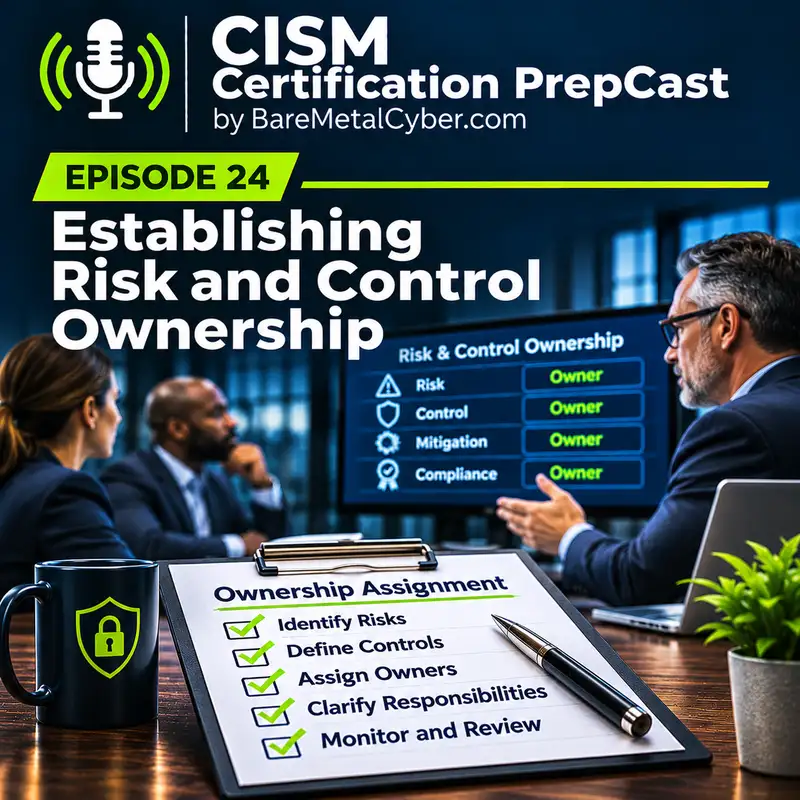
Establishing Risk and Control Ownership
Clear ownership keeps risks and controls from becoming everyone’s concern and no one’s responsibility. This episode distinguishes the business risk owner, control owne...
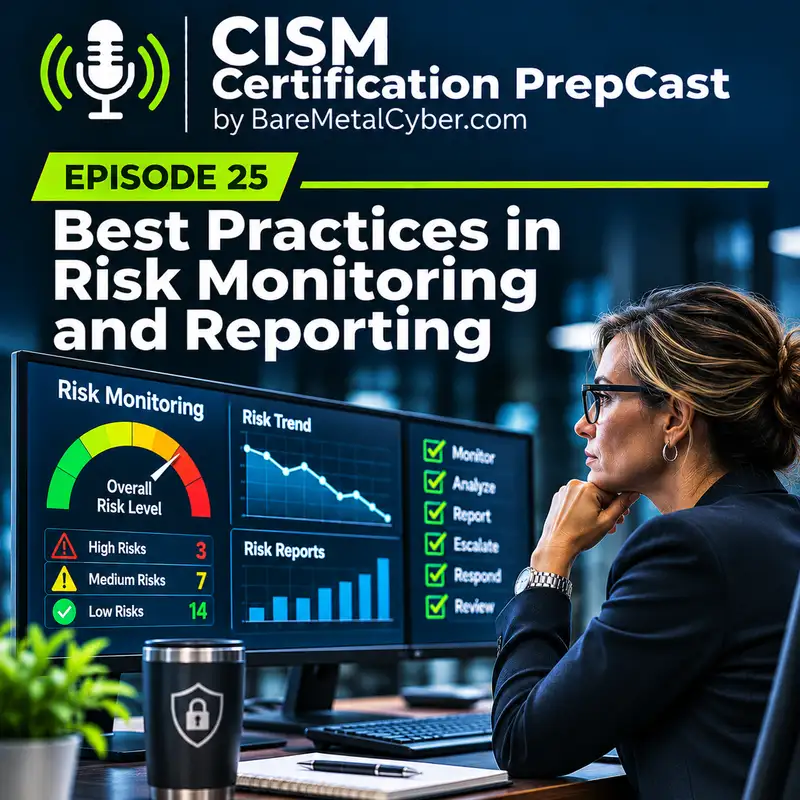
Best Practices in Risk Monitoring and Reporting
Risk monitoring and reporting keep assessments current by showing whether exposure, controls, assumptions, and treatment plans are changing. This episode explains key ...
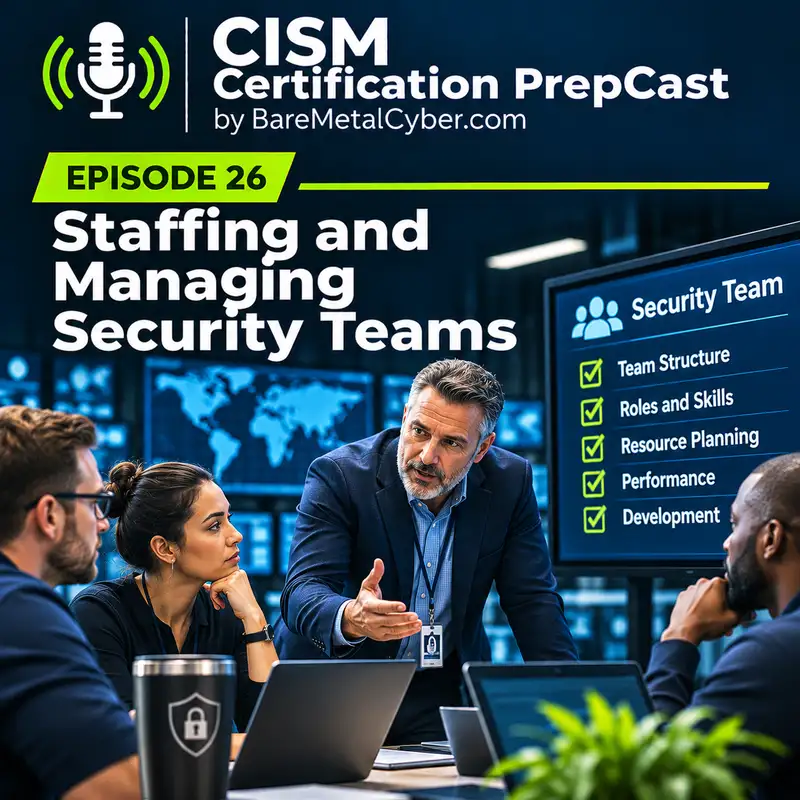
Staffing and Managing Security Teams
Security teams provide the people and operating capacity needed to turn governance and program plans into sustained results. This episode examines role design, team st...
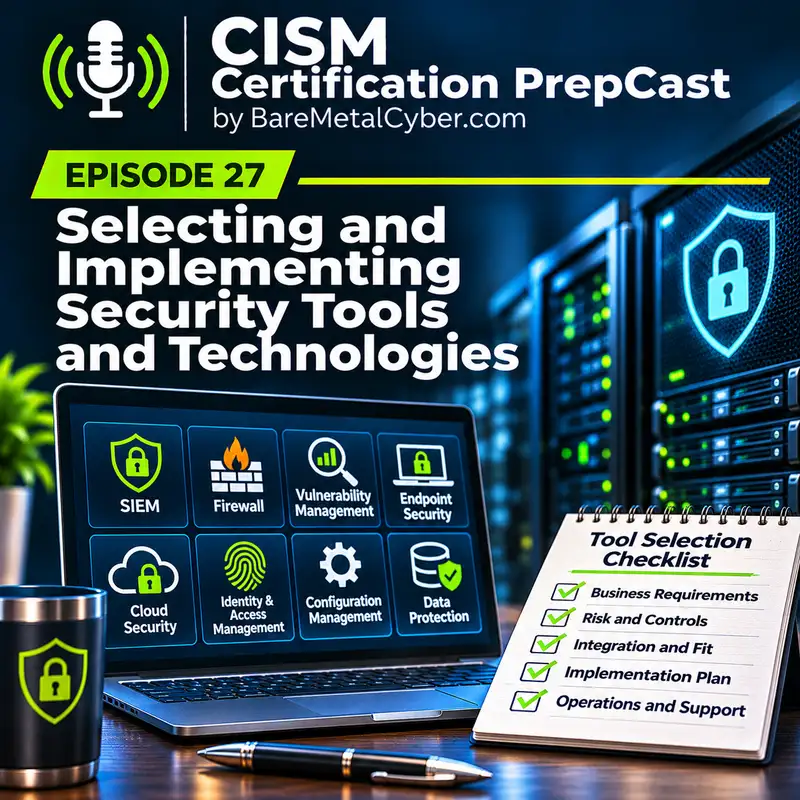
Selecting and Implementing Security Tools and Technologies
Security tools should be selected because they satisfy defined requirements and support an operating capability, not because a product is popular or technically impres...
Information Asset Identification and Classification Fundamentals
Asset identification and classification establish the foundation for risk assessment, control selection, and appropriate handling. This episode explains how to invento...